
Your owner's representative,
every step of the way
Independent owner's representation, yacht build management and new build project management for sailing and motor yachts from 24 to 60 metres. Our consultancy bench draws on unlimited Chief Engineers, Master Mariner captains, naval architects, surveyors, members from commercial shipping, and America's Cup and SailGP sailors, with particular depth in performance sailing yachts and carbon composite construction.


Independent representation at every stage
A new build is one of the most significant undertakings in yacht ownership, and shipyards naturally operate in their own commercial interest. We provide continuous, independent oversight throughout the build, ensuring the owner's requirements are upheld from contract through to sea trials and delivery.
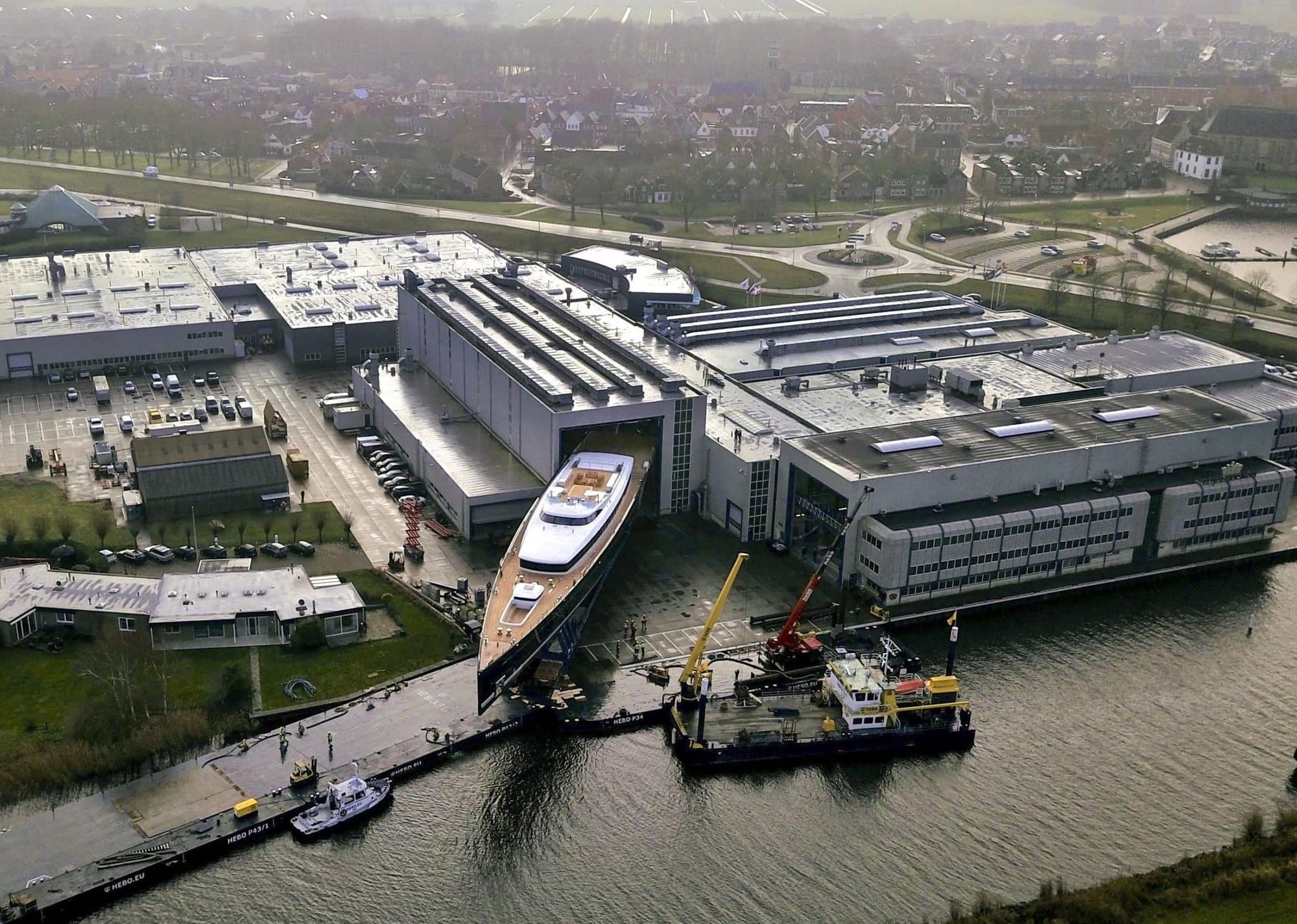
We count Captains, unlimited Chief Engineers, Surveyors and Naval Architects amongst our ranks, each with extensive build management experience across the world's leading shipyards, including Royal Huisman, Pendennis Falmouth, Pendennis Vilanova, Newport Shipyard, Lyman Morse, Rockport Marine, Hinckley Yachts and Markos. Their judgement is grounded in hands-on project delivery, not theory.
Foreland is entirely independent. We hold no yard affiliations, receive no commissions from shipyards or suppliers, and accept no referral fees. Every recommendation we make serves one interest alone: the owner.
Depth of experience across every discipline
Foreland's consultancy team is drawn from the most senior practitioners in the industry. Chief Engineers hold unlimited tickets, the highest engineering qualification at sea. Captains operate to Master Mariner level, having commanded yachts and commercial vessels in every ocean.
The technical bench is built around naval architects, surveyors, and coatings specialists with decades of yard-side experience. Colleagues from commercial shipping bring the contractual rigour and schedule discipline of regulated tonnage, and our sailing strength includes America's Cup and SailGP campaigners with first-hand knowledge of rig design, sail plans, and on-water performance.
This breadth means every project is covered by people who have done the work themselves. When a question arises on the yard floor, on a sea trial, or during a contractual review, the answer comes from someone who has seen the issue before.
The team is accredited through YORP and registered on the Yacht Owner's Representative Register, with membership of British Marine and Superyacht UK.
Disciplines on the consultancy bench
Engineering
Unlimited Chief Engineers with hands-on experience of new build, conversion, and refit projects across yachts and commercial tonnage.
Command
Senior Captains to Master Mariner level, bringing operational understanding of the vessels we are helping owners build.
Naval Architecture & Survey
Independent inspection of structure, systems and outfitting, supported by chartered surveyors, naval architects and coatings specialists.
Commercial Shipping
Members from commercial backgrounds applying the contractual discipline and schedule rigour of regulated shipping to private projects.
Performance Sailing
America's Cup and SailGP sailors contributing to rig specification, sail plan review, and on-water performance evaluation.
Yard Operations
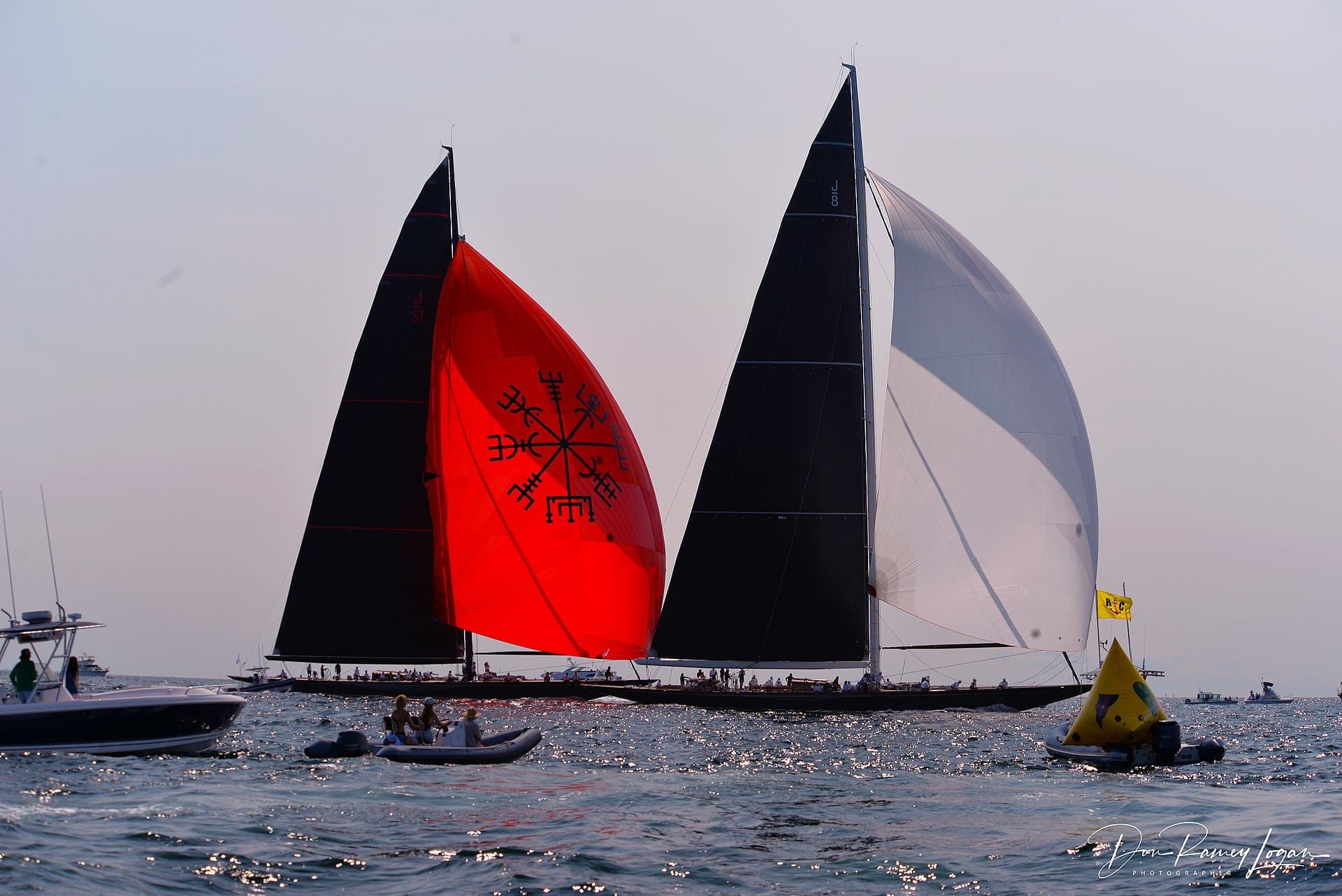
Project managers with delivery experience across leading European and US shipyards including Royal Huisman, Pendennis, Newport Shipyard, Lyman Morse, Rockport Marine and Hinckley Yachts, with particular depth in J Class and carbon composite programmes.
The stages of a new build
Each project follows its own course, but the underlying framework remains consistent. We apply structured oversight at every phase, allowing the owner to focus on the decisions that shape the vessel.
Concept & Specification
3 to 12 months
Collaborative development of the project brief with the owner and design team. Reviewing initial concepts, establishing technical parameters, and defining the scope that will govern the entire build.
Yard Selection & Contract
1 to 3 months
Systematic evaluation of shipyards against capability, track record, capacity, and commercial terms. Supporting contract negotiation to ensure the owner's position is properly protected.
Build Oversight
12 to 48 months
Continuous on-site presence throughout the construction period. Attendance at production meetings, milestone inspections, financial tracking, and structured reporting to the owner.
Sea Trials & Delivery
1 to 3 months
Coordination of sea trials, commissioning of all onboard systems, management of handover documentation, and formal acceptance on behalf of the owner.
Warranty Period
12 to 24 months
Continued involvement post-delivery to monitor defect rectification, manage claims against the shipyard, and ensure all contractual obligations are fulfilled.
Scope of our involvement
On-Site Representation
Daily presence at the shipyard throughout the build period, attending production meetings, conducting inspections, and providing structured progress reports.
Budget & Cost Control
Monitoring expenditure against budget, verifying milestone payment claims, reviewing change orders, and identifying cost risks at the earliest opportunity.
Project Coordination
Managing communication between the owner, shipyard, design offices, subcontractors, and classification societies (Lloyd's Register, RINA, DNV, Bureau Veritas, ABS) to maintain alignment on scope, schedule, and quality.
Technical Review
Independent inspection of hull construction, structural work, systems installation, and outfitting quality, supported by our naval architects, engineers, and coatings specialists. For sailing yachts, this extends to rig specification, sail plan review, and deck hardware selection.
Crew & Commissioning
Crew recruitment and employment administration during the build phase, followed by coordination of sea trials, systems commissioning, and formal handover.
Warranty Management
Post-delivery oversight including defect tracking, claims management, and continued liaison with the shipyard throughout the warranty period.
The contract is where the money is made or lost
A new build contract governs USD 30 to 200 million of capital across two to five years and structures every variation, every dispute and every interpretation question in the period during which the yard holds the cards. It is the most consequential document a yacht buyer signs, and page count tells you almost nothing about whether it controls risk.
Standard shipbuilding forms exist. The SAJ form published by the Shipbuilders' Association of Japan is the most used globally and is generally thought to favour the yard in unamended form. The European yards that matter, Lürssen, Feadship, Oceanco, Royal Huisman, Heesen, Sanlorenzo and Benetti among them, do not contract on any of the standard forms. They contract on heavily customised in-house templates drafted by their own counsel, with English law and London arbitration grafted on.
Eight points decide how that document behaves under pressure. Stage payment loading, where 50 to 70 percent of contract value paid before delivery is the shipbuilding norm per Watson Farley & Williams, and aggressive front-loading suggests a yard short of cash to start. Refund guarantee credit quality, where tier-one bank pay-on-demand guarantees are materially better than surety wrappers, and Chinese-bank guarantees commonly expire within a month of cancellation, forcing immediate arbitration. Liquidated damages, industry-typical at 1 percent of contract value per week of delay capped at 5 to 10 percent of the contract sum, after which the yard owes nothing further. Force majeure, where English law requires the yard to prove but-for causation and yards routinely draft looser clauses that weak representation accepts.
Then the change order procedure, which without pre-agreed unit rates and third-party quote rights leaves the owner exposed to paying for emergent work at rates well above the original contract. Warranty length, standard at twelve months and negotiable to twenty-four, which inexperienced representatives routinely fail to negotiate. Cancellation thresholds, replicated from the SAJ standard but with negotiable numbers. And title position during construction, which determines what the owner actually holds if the yard fails.
A single afternoon of competent legal review at heads of terms saves more than the owner's representative fee for the entire project. It is consistently not done. Kevin Laverty of Hill Robinson, writing in BOAT International, has pointed to a 33-page contract for a 77 metre yacht against the multi-volume documentation typical of oil and gas projects of comparable value.
Yard financial condition, and why it is our problem before it is yours
The buyer pays stage payments forward. When a yard's financial condition deteriorates, those payments become creditor positions in somebody else's insolvency, and refund guarantees protect the exposure less reliably in practice than the contract suggests.
This is not theoretical. Nobiskrug, builder of Sailing Yacht A, filed for insolvency in December 2024 under Tennor Group; Lürssen acquired the assets in early 2025 and suspended in-build projects moved for completion. The Italian Sea Group's April 2026 restructuring went further into procedural territory: on 20 April the Court of Florence confirmed protective measures retroactive to the 16 March filing, which prevented shipowners from terminating in-build contracts during the restructuring window. From the buyer's side that is a court-mandated commitment to a counterparty whose financial condition had changed since signature.
Three workstreams handle this in advance rather than in the middle of it. Yard financial due diligence at heads of terms, covering recent published accounts, parent structure, order-book composition and litigation history. Refund guarantee credit quality assessed with the same weight as any other contract term. And a position agreed with counsel, before signature, on what to do if mid-build distress produces an equity injection or accelerated payment proposal, so that the decision is reached deliberately rather than under pressure.
A related pattern is a yard quoting below what the build can credibly be done for. Build cost is direct cost plus overhead, and the overhead is what produces a quality boat rather than money the yard wastes on itself. Margins on top-tier construction are not large. A buyer who has done proper diligence on one yard already has a sense of what those margins look like, and an offer materially below them is information rather than a bargain.
Who holds the role, and why it cannot be a favour
The published case record concentrates new build risk in governance on the buyer's side more than anywhere else. Jack Inglis of ULTIMAR, writing in Superyacht Investor in October 2025, described a semi-custom build where the owner deputised a family-office CFO with no maritime expertise as owner's representative. The delivery snag list ran past 1,200 items against the family office's reported figure of around 100. The yacht was sold after a single season.
His point about snag lists is worth holding onto, because the number is the wrong measure. Three hundred cosmetic snags are survivable; fifteen critical commissioning issues will cost the first season. The question is consequence, not quantity, and reading the difference requires somebody who has commissioned yachts before.
The structural fix is a role with a defined standard behind it. The title varies, yacht build manager, new build project manager, owner's technical representative, and the label matters less than whether the person holding it has commissioned a yacht before. SYBAss launched the Yacht Owner Representative Programme in June 2023 with founding member Benetti: four courses totalling 200 hours, of which Unit 40 is the mandatory course for experienced practitioners. The Yacht Owner's Representative Register followed at The Superyacht Forum in November 2024, administered by the Superyacht Alliance for Professional Standards, with a CV audit built to eliminate inflated claims and a code of conduct behind it. References are called, and projects have been reclassified where the reference described a different role than the application did.
Foreland is registered on YORR and holds its accreditation through YORP. The register is public and searchable by firm and by named principal, which means the claim on this page can be checked rather than taken on trust. Lürssen hosted Unit 40 at its Hamburg yard in April 2026, which is the clearest available signal that the standard is endorsed on the yard side of the table as well as the owner's.
Frequently Asked Questions
What does an Owner's Representative do during a new build?+
When should I appoint an Owner's Representative?+
What qualifications should an Owner's Representative have?+
What are the most important terms in a yacht new build contract?+
What happens to my stage payments if the shipyard becomes insolvent?+
How is a delivery snag list actually judged?+
How long does a typical new build project take?+


Accredited and on the public register
Foreland Marine is accredited by the Superyacht Builders Association (SYBAss) and listed on the Yacht Owner's Representative Register, maintained by the Superyacht Alliance. Owners are welcome to verify our standing directly.
Visit the Yacht Owner's Representative RegisterFurther Reading
Engage at any stage
Whether the project is at concept stage or construction is already underway, our team can integrate at any point and contribute from the outset.